
Emotional Education Therapies – Play Therapy Kent
Services Provided:
- Play and Creative Arts therapy in Kent
- Empowered Parenting training
- Lego therapy
- Located in Headcorn and Birling, Kent
- Randa William BA (Hons) PG Dip PTUK

Play Therapy in Kent
Play therapy and Emotional education therapies provide play therapy in Kent, both in Headcorn and Birling, these services can also be commissioned by schools.
What is Play Therapy?
Play Therapy is the time spent by therapists with children. ‘Special Time’ is a Non Judgmental, Non Directive, Non Interpretative approach where the child leads. The purpose of play therapy in schools or commissioned privately is to help children benefit from teaching by alleviating their emotional, behaviour, mental health challenges.
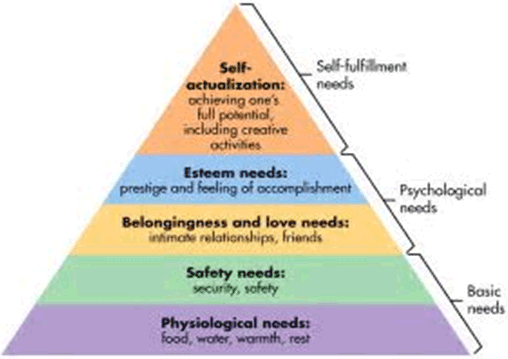
As Maslow, a Psychologist said when children have their basic needs met, they are in a much better place to access learning. Play Therapy gives them an opportunity to do this.
Play therapy is a method of helping children with behaviour and emotional problems to help themselves. Play is the child’s natural medium of self-expression - it’s essential for development. It is also an opportunity to ‘play out ‘ their feelings and problems with a therapeutic objective. Children can either choose to do this verbally or non-verbally, therapeutic play gives them the choice as it is non directive.
What is in the Play Room?
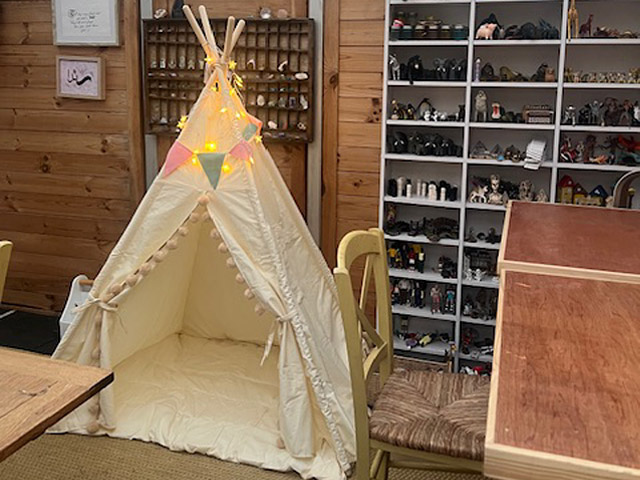
The playroom contains a variety of materials from sand to clay and music. All the toolkit/resources are there for the client to choose from and some of these resources are there to support particular areas including:

How does Play therapy help?
Children confronting problems and negative emotions in a clinical setting allows them to change the way they think and feel, which leads to discovering solutions. Play therapists are uniquely trained to assess and understand the contents of children's play. Play therapists use their understanding of the play to increase children's coping skills. In the playroom, under the guidance of a trained play therapist, children can safely discuss their problems in a protected play environment. Children learn to confine, define, and master their problems.
- Take responsibility for their behaviour
- Come to understand the impact (cause & effect) of their behaviours
- Replace inappropriate behaviours with more effective & successful behaviours
- Develop creative & lasting solutions to problems
- Gain greater acceptance of self & others
- Strengthen family relationships
- Work through hurt and trauma
- Improve social skills
How do you know your child would benefit from seeing a Play therapist?
- Is my child's behaviour significantly impairing a critical area of functioning?
- Am I, as a parent, overwhelmed with managing my child's demands?
- Is my son or daughter altering the family environment in an unhealthy way?
- Does my child seem in a chronic state of distress?
- Do I feel disconnected from my child and worry about the path he or she is heading for?
In the meantime, if you are a parent discerning this question, it should be reassuring to know that sometimes, just the act of seeking out help results in improvement even before any interventions occur. Taking the first step to reaching out might be the hardest, yet most critical step.
What can Play therapy help with?
Many areas including:
- Confidence and self esteem
- Transition
- Anxiety
- Social Groups
- Access to learning
- Parental separation
- Bereavement
- Abuse
- Divorce Recovery
- Post Traumatic / Stress Disorder
- Defiant Behaviours
- Attachment Issues
- Depression
SDQ - Strength and Difficulty Questionnaires and Objectives
The strengths and difficulties questionnaire (SDQ) is a short behavioural screening questionnaire for clients. The questionnaire is used to assess clients mental health, and it is best practice to be completed by clients, parents and teachers
Objectives are completed in collaboration with the referrer which may be the school or parents. They are there to help focus on what we want the client to progress to and together with then SDQ scores they help support measuring the progress of the therapy sessions.